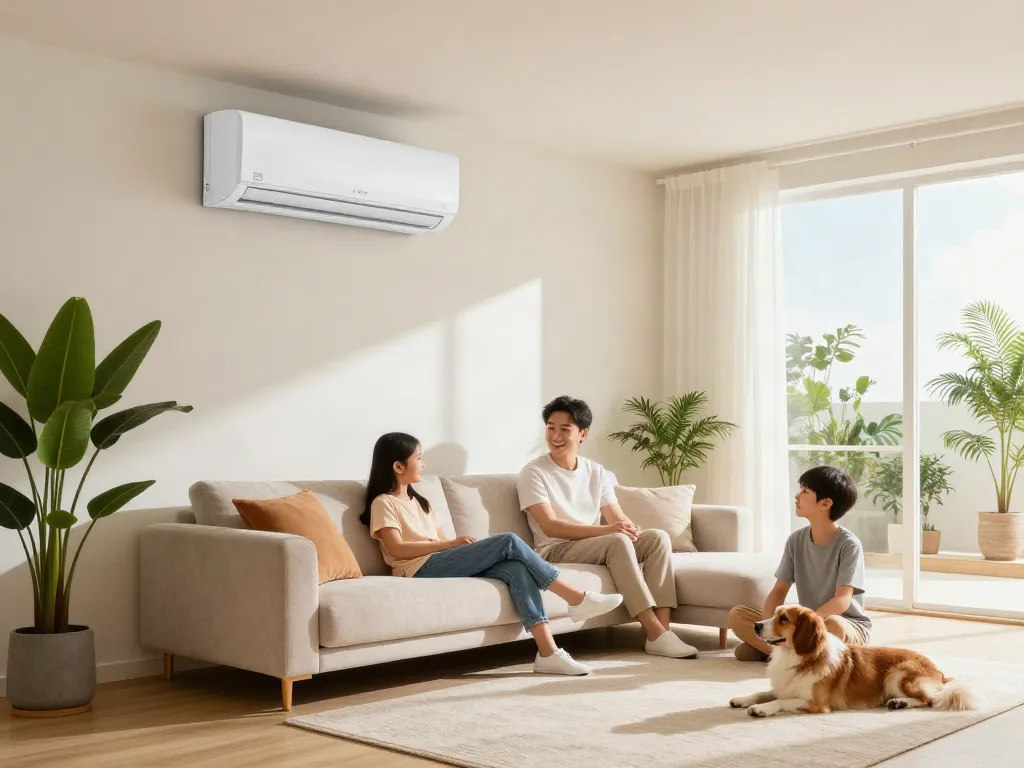
Understanding Ductless AC: A Homeowner's Guide
Ductless air conditioning (AC) systems have gained popularity among homeowners looking for efficient and versatile climate control solutions. Unlike traditional HVAC systems that rely on extensive ductwork, ductless AC units are designed to cool or heat individual rooms without the associated installation hassles. These systems consist of an outdoor compressor and one or more indoor units, providing targeted temperature control. If you're considering upgrading your home’s cooling system, exploring ductless ac options can be a smart move, especially in diverse climates.
What is Ductless AC?
Ductless AC, also known as mini-split systems, operates using advanced technology that eliminates the need for ductwork. These systems utilize a series of components: an outdoor condenser unit, which houses the compressor, and one or more indoor air handlers mounted on walls or ceilings. Each indoor unit can be controlled independently, offering flexible cooling solutions tailored to specific areas of your home. Ductless systems can also provide heating, making them a versatile choice year-round.
Benefits of Ductless AC Systems
- Energy Efficiency: Ductless AC systems are highly efficient, often achieving SEER ratings of 20 or higher. This efficiency translates to lower utility bills and a reduced carbon footprint.
- Zoned Comfort: The ability to control the temperature of individual rooms or zones means that you can tailor comfort levels to suit different preferences and usage patterns.
- Easy Installation: Since they don’t require ductwork, ductless systems can be installed quickly and with less disruption compared to traditional systems.
- Improved Air Quality: Ductless systems filter indoor air and reduce allergens, as there is no buildup of dust within ducts.
How Ductless AC Compares to Traditional Systems
When comparing ductless AC systems to traditional central air conditioning, several distinctions emerge. Traditional systems often cool homes through a network of ducts, which can lead to energy loss due to leaks and inefficiencies. In contrast, ductless systems deliver air directly to the living space, minimizing energy loss and enhancing efficiency. Additionally, ductless systems are generally quieter than traditional units, making them ideal for bedrooms and living areas.
Choosing the Right Ductless AC for Your Home
Selecting the ideal ductless AC system involves careful consideration of various factors, ensuring that the unit not only fits your home but also meets your cooling needs effectively. The market is flooded with options, so understanding what to look for can streamline your decision process.
Factors to Consider When Selecting a Ductless AC
- Cooling Capacity: Measured in BTUs (British Thermal Units), the cooling capacity should match the size of the room. Over or under-sizing can lead to inefficiencies.
- Energy Efficiency: Look for SEER ratings; a higher rating indicates better efficiency.
- Noise Levels: Consider the decibel levels of the indoor units, especially if the system will be installed in a bedroom or quiet area.
- Features and Controls: Many units come with smart technology, allowing for remote control via a smartphone app, making temperature management more convenient.
Top Brands in the Ductless AC Market
Several manufacturers dominate the ductless AC market, each offering unique features and warranties. Notable brands include:
- Daikin: Renowned for high-quality systems and versatile options.
- Mitsubishi Electric: Known for energy-efficient and quiet models.
- Friedrich: Offers a broad range of products suitable for both residential and commercial use.
- LG: Provides smart technology-enabled units that enhance user experience.
Installation Considerations for Ductless AC
Proper installation is crucial for maximizing the efficiency and lifespan of your ductless AC system. While it's possible to perform a DIY installation, hiring a professional is often recommended for optimal results. Key installation considerations include:
- Placement: Indoor units should be positioned to allow for effective airflow and accessibility for maintenance.
- Refrigerant Lines: Ensure that refrigerant lines are properly installed to avoid potential leaks.
- Drainage: The condensate drain line must be correctly set up to prevent water damage.
Installation and Maintenance of Ductless AC Systems
Installing and maintaining a ductless AC system can seem daunting, but breaking it down into manageable steps can simplify the process. Regular maintenance is also essential to ensure peak performance and longevity.
Step-by-Step Guide to Installing Ductless AC
- Plan the Layout: Determine where to install the indoor and outdoor units based on the cooling needs of each room.
- Mount the Indoor Unit: Securely mount the indoor unit on the wall, using brackets and ensuring alignment.
- Install the Outdoor Unit: Choose a suitable location for the outdoor unit, considering airflow and accessibility.
- Connect Refrigerant Lines: Safely connect refrigerant lines between the outdoor and indoor units.
- Electrical Connections: Ensure proper electrical connections are made between units.
- Test the System: Finally, test the system for leaks and ensure it operates correctly.
Routine Maintenance Tips for Optimal Performance
To keep your ductless AC system running efficiently, regular maintenance is key. Follow these tips:
- Clean Filters: Check and clean the air filters monthly to ensure good airflow and air quality.
- Inspect Coils: Clean the indoor and outdoor coils to enhance heat exchange efficiency.
- Check Drain Lines: Ensure that drain lines are clear of obstructions to prevent water damage and mold growth.
Common Problems and Troubleshooting Tips
Even with regular maintenance, issues can arise. Here are some common problems and troubleshooting tips:
- No Cooling: Check the filter; if it's dirty, replace or clean it. Ensure that the thermostat is set correctly.
- Strange Noises: Unusual sounds may indicate loose parts or debris in the unit. Inspect and tighten as necessary.
- Leakage: If you notice water pooling, inspect the drain line for clogs and check the refrigerant lines for leaks.
Energy Efficiency and Cost Savings with Ductless AC
Ductless AC systems are not only effective in cooling but also offer significant savings on energy bills. Understanding how to maximize energy efficiency can further lower costs over time.
Understanding SEER Ratings and Energy Efficiency
The Seasonal Energy Efficiency Ratio (SEER) measures the cooling output of an air conditioning system during a typical cooling season divided by the total electric energy input in watt-hours. A higher SEER rating indicates better energy efficiency. For ductless systems, look for models with SEER ratings of 16 or higher for optimal performance.
Cost-Effectiveness of Ductless AC Over Time
Although the upfront costs of ductless AC systems can be higher than traditional units, the long-term savings on energy bills often offset these initial expenses. With lower electricity consumption and reduced maintenance costs, homeowners can expect a substantial return on investment.
Financial Incentives for Choosing Ductless AC
In many regions, incentives are available for installing energy-efficient HVAC systems, including ductless units. Check with local utility companies or government programs for rebates or credits that can help reduce the installation cost.
The Future of Ductless AC Systems
As technology continues to evolve, the future of ductless AC systems looks promising. Innovations in design and functionality are shaping the way homeowners perceive climate control.
Emerging Technologies in Ductless AC for 2026
With advancements in smart home technology, ductless AC systems are increasingly being integrated with IoT capabilities. This allows for remote control, enhanced diagnostics, and even predictive maintenance alerts, making ownership more convenient and efficient.
Sustainability Trends Impacting Ductless AC
As homeowners become more environmentally conscious, the demand for sustainable solutions, including energy-efficient ductless AC systems, is on the rise. Manufacturers are now focusing on developing refrigerants with lower global warming potential (GWP) and ensuring high energy efficiency.
Consumer Preferences Shaping the Future of Cooling Solutions
Modern consumers seek customizable and efficient solutions, driving the innovation of ductless AC systems. From aesthetics to operational ease, the demand for user-friendly systems with lower environmental impacts will define the products of the future.
What is the average lifespan of a ductless AC?
A ductless AC system typically has a lifespan of around 15 to 20 years with proper maintenance. Regular servicing can help extend the lifespan and ensure consistent performance.
Are ductless AC units efficient for heating as well?
Yes, many ductless systems offer heat pump functionality, which can efficiently heat spaces in winter while cooling them in summer, making them a year-round solution.
How much does it cost to install a ductless AC?
The installation cost of a ductless AC system can vary widely, typically ranging from $3,000 to $8,000, depending on the size, number of zones, and specific requirements of your home.
Can I install a ductless AC myself?
While some homeowners may attempt DIY installations, it is recommended to hire a professional to ensure proper setup and compliance with local building codes.
What are the benefits of multiple zones in ductless AC?
Multiple zones allow for enhanced comfort and energy savings, as different parts of the home can be heated or cooled according to usage patterns, leading to lower energy costs overall.