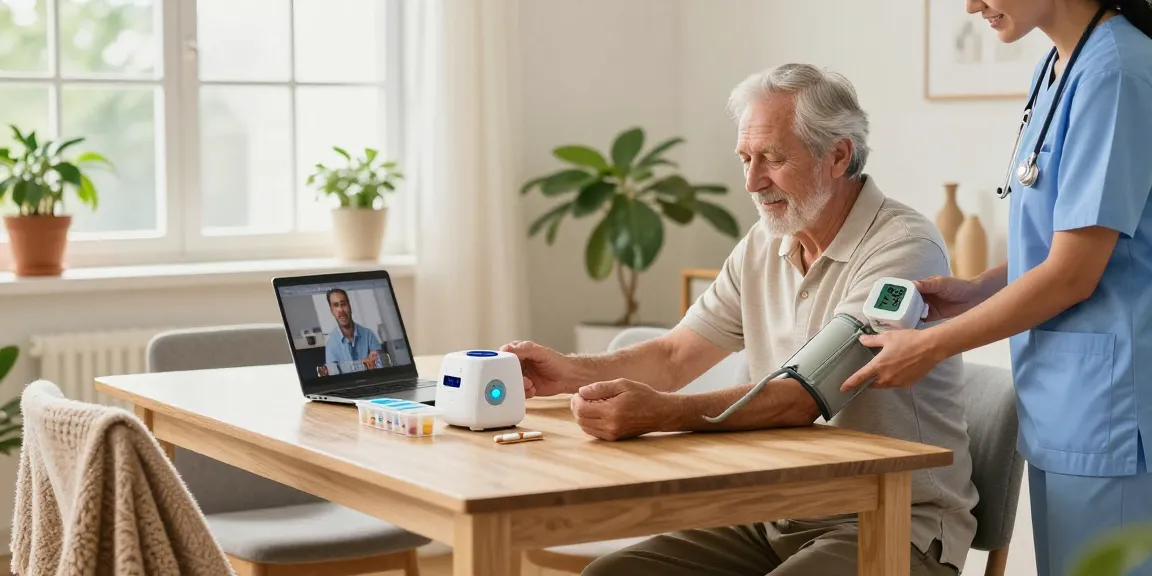
Understanding Home Medical Equipment
Home medical equipment (HME) plays a crucial role in modern healthcare, enabling individuals to receive essential medical care within the comfort of their own homes. This significant shift not only supports patient independence but also reduces the burden on healthcare facilities. As the trends in healthcare evolve, understanding home medical equipment becomes essential for patients, caregivers, and healthcare providers alike. When exploring options, home medical equipment encompasses a wide range of devices and support systems tailored to meet diverse health needs.
What Is Home Medical Equipment?
Home medical equipment refers to various medical devices used in a home setting for treatment, monitoring, or rehabilitation of patients. These devices include items prescribed by healthcare providers, ranging from mobility aids to respiratory equipment. The primary aim of HME is to assist individuals in managing their health conditions, ensuring they can maintain a level of independence while receiving necessary care. Examples of home medical equipment include wheelchairs, walkers, hospital beds, oxygen concentrators, and meal delivery systems that support nutritional needs.
Benefits of Using Home Medical Equipment
The use of home medical equipment presents several benefits that profoundly impact patients’ lives, caregivers' workloads, and healthcare systems as a whole. Some of these advantages include:
- Increased Independence: Patients can perform daily activities with greater ease, leading to improved quality of life and psychological well-being.
- Cost-Effective Care: Utilizing HME can reduce hospital stays and emergency room visits, resulting in lower healthcare costs.
- Comfort and Convenience: Receiving care at home minimizes the stress of travel and the potential exposure to healthcare-associated infections.
- Personalized Care: Equipment can be tailored to meet individual needs, allowing for more effective management of chronic conditions.
Types of Home Medical Equipment Available
Home medical equipment can be categorized into various types based on the specific health needs they address. Here are some common categories:
- Mobility Aids: Devices such as walkers, wheelchairs, and scooters help individuals with mobility challenges navigate their environments safely.
- Respiratory Equipment: Oxygen tanks, nebulizers, and CPAP machines provide vital support for patients with respiratory issues.
- Monitoring Devices: Blood pressure monitors, glucose meters, and heart rate monitors enable patients and caregivers to track health metrics effectively.
- Bathing and Toilet Aids: Grab bars, shower chairs, and raised toilet seats enhance safety and comfort in personal care.
Selecting the Right Equipment for Your Needs
Choosing the appropriate home medical equipment is a critical step in ensuring effective health management. It involves a thorough assessment of individual needs, preferences, and safety concerns. Making informed decisions can enhance outcomes and ensure the patient's comfort and satisfaction.
Assessing Individual Health Needs and Conditions
Before selecting any home medical equipment, it is essential to conduct a comprehensive assessment of the individual's health needs. Considerations should include:
- Specific medical conditions and limitations
- Physical abilities and mobility levels
- Home environment and accessibility
- Support network, including family and caregivers
Consulting with Healthcare Professionals
Working alongside healthcare professionals, such as doctors, occupational therapists, or physical therapists, can be invaluable in the selection process. They can provide expert recommendations on suitable equipment and demonstrate how to use it safely and effectively. Collaboration ensures that the chosen equipment aligns with the patient’s therapeutic goals and lifestyle.
Evaluating Quality and Safety Standards
Safety should always be a priority when selecting home medical equipment. Look for devices that meet national and international quality standards, such as certifications from the Food and Drug Administration (FDA) or the International Organization for Standardization (ISO). Additionally, it is vital to consider warranty information and available customer support options when evaluating different products.
Integrating Home Medical Equipment into Daily Living
Successfully integrating home medical equipment into daily routines requires thoughtful planning and education. This process should aim to maximize the benefits of the equipment while minimizing any potential challenges.
Strategies for Effective Use
To ensure that home medical equipment is used effectively, consider implementing strategies such as:
- Creating a schedule that incorporates the use of the equipment into daily activities.
- Setting specific health goals that can be tracked using the equipment.
- Regular reviews to assess the equipment’s effectiveness and make necessary adjustments.
Creating a Safe and Comfortable Home Environment
A safe home environment is essential for effective use of medical equipment. Key strategies include:
- Removing obstacles to create clear pathways for mobility aids.
- Ensuring adequate lighting in areas where equipment will be used.
- Installing grab bars and non-slip mats in bathrooms and other high-risk areas.
Training Family Members and Caregivers
Family members and caregivers play a crucial role in the effective use of home medical equipment. Providing training ensures they are comfortable with the equipment and can assist with its operation. Consider scheduling training sessions with healthcare professionals to ensure all involved parties are proficient in safety protocols and usage techniques.
Future Trends in Home Medical Equipment
As we look to the future, several trends are emerging in the realm of home medical equipment that promise to enhance healthcare delivery and patient experiences. Understanding these trends can help patients and providers stay informed and prepared.
Technological Innovations in Home Care
Technological advancements are revolutionizing the home medical equipment landscape. Innovations such as smart devices, AI-driven alerts, and mobile health applications are making it easier for patients to monitor their health and connect with healthcare providers. For instance, smart blood pressure monitors that sync with smartphones enable real-time data sharing with doctors, enhancing care continuity.
Impact of Telehealth and Remote Monitoring
Telehealth has gained significant traction, particularly in response to the growing demand for remote care options. Pairing telehealth services with home medical equipment allows for continuous monitoring and patient engagement, reducing the frequency of in-person visits. Remote monitoring tools can alert healthcare providers to potential issues, ensuring timely interventions.
Emerging Market Solutions for Accessibility
As the demand for home medical equipment grows, so does the focus on accessibility. Innovative companies are developing affordable, user-friendly devices tailored to meet the needs of diverse populations. Solutions such as rental programs and subsidized equipment options aim to increase accessibility for those with financial constraints, ensuring equitable access to healthcare resources.
Common Challenges and Solutions in Home Medical Equipment Use
While home medical equipment offers numerous benefits, several challenges can arise during usage. Identifying these challenges and implementing solutions can improve the overall experience for patients and caregivers.
Addressing Misconceptions About Home Medical Equipment
Many misconceptions about home medical equipment can hinder its acceptance and use. Common myths include beliefs that equipment is overly complicated or only for severely ill patients. Educating patients and their families about the actual functionality and benefits of HME can help dispel these myths and encourage its use.
Overcoming Technical Barriers
Some patients may experience difficulty adapting to new technologies or equipment. Offering training and ongoing support can help alleviate these barriers. Additionally, ensuring that the devices are user-friendly and come with clear instructions can simplify the user experience.
Maintaining Equipment and Ensuring Longevity
Proper maintenance is vital for extending the lifespan of home medical equipment. Regular cleaning, routine checks, and timely repairs can prevent equipment failures and promote safety. Establishing a maintenance schedule and providing caregivers with the necessary training will ensure that equipment remains in optimal condition.
What types of home medical equipment are essential?
Essential home medical equipment typically includes mobility aids, respiratory devices, and monitoring tools. The exact items required will vary based on individual needs and health conditions.
How to ensure safety when using home medical equipment?
Safety can be ensured by following proper usage guidelines, conducting safety assessments of the home environment, and receiving adequate training for all users, including caregivers and family members.
Are there financial assistance options for home medical equipment?
Yes, several financial assistance programs are available to help cover the costs of home medical equipment, including insurance coverage, government programs, and non-profit organizations dedicated to supporting those in need.
How can technology enhance home medical equipment?
Technology can enhance home medical equipment through innovations such as smart monitoring systems, telehealth integration, and user-friendly interfaces. These advancements promote better health management and improved communication with healthcare providers.
What resources are available for training on home medical equipment?
Resources for training on home medical equipment include instructional manuals, online tutorials, support groups, and training sessions offered by healthcare providers or equipment manufacturers.